Melbourne treatment guide
Microdermabrasion
Price, What It Does & Who It Suits
Microdermabrasion in Melbourne explained. Price ($90–$200), crystal vs diamond tip, real downtime, who shouldn't have it, and how it compares to peels and HydraFacial.
Last updated: 2026-09-14
At a Glance
Melbourne Price Range
$90–$200AUD
per session
Sessions
4–6 sessions
Interval
2–4 weeks
Downtime
0–2 days
Effect Breakdown
Score / 5The Short Version
Microdermabrasion sands off the very top layer of dead skin with either fine crystals or a diamond-tipped wand. Melbourne pricing is around $90–$200 a session. It's the most basic of the in-clinic exfoliation treatments, which is both its weakness and the reason it's still around: it's cheap, predictable, and almost nobody reacts badly to it. Expect smoother skin and better makeup application, not transformation.
What Microdermabrasion Actually Does
It's mechanical exfoliation with a vacuum attached. That's the whole idea.
Two versions exist:
- Crystal microdermabrasion fires fine aluminium oxide crystals at the skin and vacuums them straight back up with the loosened dead cells. The older method. Effective, but messier, and the crystals get everywhere.
- Diamond-tip microdermabrasion uses a wand with an abrasive tip and the same suction. More controlled, easier to work around the nose and eyes, and now the more common option in Melbourne.
Either way you're removing the stratum corneum, the outermost layer of dead cells. Your skin responds to that mild, controlled abrasion by turning over faster.
The thing to understand is depth. Microdermabrasion is genuinely superficial. That's why it's safe and why the results are modest. It won't reach pigmentation sitting deeper in the skin, it won't do much for real acne scarring, and it won't touch wrinkles beyond making the surface look a bit smoother.
What it does do well: it makes skin feel soft, helps products absorb better, and makes foundation sit properly. That's a real benefit, just a modest one.
Microdermabrasion Melbourne Price
- Standard session: around $90–$150
- With add-ons (mask, LED, serum infusion, or as part of a longer facial): around $150–$200
Courses of 4 or 6 are common and usually discounted. Since this treatment needs a series to do much, the course price is the number to compare.
What moves the price: whether it's diamond or crystal, the length of the appointment, whether anything is bundled with it, and clinic positioning. There's less price variation here than with lasers or peels because there's less variation in the machines.
If you're being quoted over $200 for microdermabrasion alone, ask what makes it different. Often the answer is that it's actually a hydradermabrasion treatment, which is a different thing.
What Microdermabrasion Feels Like
Like a firm, gritty cat's tongue being dragged across your face, with a steady tugging from the suction.
It's not painful. Most people describe it as odd rather than uncomfortable. The sensation is strongest across the cheekbones and around the nose where the skin is thinner or the therapist works more slowly.
- Session length: 20 to 40 minutes
- No numbing needed
- You'll feel the suction more than the abrasion
Afterwards your skin feels tight and looks pink, a bit like mild windburn. That settles within a few hours.
If it hurts, say so. The intensity is adjustable, both the abrasion and the suction, and a good therapist will dial it back. Aggressive microdermabrasion is not better microdermabrasion.
Recovery & Aftercare
Minimal, but not quite zero.
Same day:
- Pink and slightly tight for 2 to 4 hours
- Skin may feel dry or look faintly dusty as it settles
- Most clinics suggest no makeup for the rest of the day
Days 1–2:
- Some people get light flaking, most don't
- Moisturise more than usual, since the barrier is temporarily thinner
- Back to normal by day 2
What to avoid for 48 hours:
- Retinol, AHA and BHA acids, and any physical scrub
- Saunas, steam, spas and hot yoga
- Waxing or laser hair removal on the area
- Swimming, particularly chlorinated pools
SPF50+ daily. You've just removed the layer that was doing part of your sun defence. This matters more than people assume for a treatment this gentle.
Before you go: stop retinol and acids 2 to 3 days beforehand, come with clean skin if you can, and mention any recent treatments or medication.
When to call the clinic: grazing, broken skin, persistent stinging beyond the first day, or a rash all warrant contacting an AHPRA-registered practitioner. Over-aggressive treatment can cause superficial abrasion injuries, and these need proper assessment rather than home remedies.
Is Microdermabrasion Right for You?
✅ Good candidates:
- Dull, flaky or rough-feeling skin
- Mild congestion and blackheads
- Anyone whose makeup has started sitting badly
- First-timers who want in-clinic exfoliation without committing to a peel
- Oily and normal skin types, which tolerate it well
- People who want a low-risk, low-cost maintenance treatment
❌ Contraindications:
- Active inflammatory acne, especially cystic, where abrasion spreads bacteria and irritates lesions
- Rosacea and easily flushed, reactive skin, where abrasion and suction usually make things worse
- Active eczema, psoriasis or dermatitis on the treatment area
- Isotretinoin (Roaccutane) within the past 6 months
- Broken skin, sunburn, cold sores or any active infection
- Recent peels, laser or waxing on the area
- A tendency to keloid scarring
- Blood-thinning medication, where the suction can cause bruising, so disclose it
- Very thin or fragile skin, including some long-term topical steroid users
On deeper skin tones: microdermabrasion is generally low risk because it's so superficial, but aggressive treatment can still trigger post-inflammatory hyperpigmentation. Conservative settings matter, and so does an experienced therapist. Ask.
A consultation with an AHPRA-registered practitioner is worth having if you have any active skin condition, rather than booking straight in.
How Many Sessions & How Long Results Last
Sessions: a course of 4 to 6, spaced 2 to 4 weeks apart, is the usual recommendation. One session gives you a soft-skin day or two and not much more.
- Dullness and texture: 4 to 6 sessions
- Congestion: 6 sessions, spaced fortnightly to start
- Maintenance afterwards: monthly or six-weekly
Longevity: the smoothness from a single session lasts a few days to a week. The cumulative benefit from a course holds for a month or two, then fades without maintenance. Because the treatment only affects the surface layer that your skin replaces continuously, nothing here is permanent by design.
Be sceptical of packages sold on the promise of lasting change. This is an upkeep treatment.
Microdermabrasion vs HydraFacial, Peels & Home Scrubs
-
Microdermabrasion vs HydraFacial: the same basic idea done differently. Microdermabrasion is dry and abrasive; HydraFacial is wet, uses acid rather than grit, and puts hydrating serum back in. HydraFacial is gentler and better for sensitive or dehydrated skin. Microdermabrasion is usually cheaper and does a bit more on rough texture. [Full comparison → /guides/hydrafacial]
-
Microdermabrasion vs chemical peel: a light peel reaches roughly the same depth chemically, more evenly, and does noticeably more for pigmentation. Microdermabrasion is more predictable and has less downtime. If pigmentation is your concern, the peel is the better spend. [Full comparison → /guides/chemical-peel]
-
Microdermabrasion vs LED: different jobs entirely, and they're often bundled. Microdermabrasion works on the surface immediately; LED works under the surface slowly on inflammation. LED after microdermabrasion is a common pairing. [Full comparison → /guides/led]
-
Microdermabrasion vs a home scrub: the clinic version is more even, more controlled, and adds suction, which a scrub can't do. Home scrubs are the main cause of over-exfoliated, irritated skin because people use them too often and too hard. If you're doing in-clinic exfoliation, ease off the scrubs at home.
How to Choose a Clinic in Melbourne
- Ask whether it's diamond or crystal, and which the therapist prefers for your skin. Either is fine. The answer tells you how much thought goes into it.
- Check what happens if your skin reacts. Even a gentle treatment needs an aftercare contact and a protocol.
- Be honest about rosacea and reactive skin at booking, not on arrival. A good therapist will steer you to something else, and one who doesn't is a warning sign.
- Ask whether it's actually microdermabrasion. Clinics sometimes use the word loosely for hydradermabrasion or a general facial. Price accordingly.
- Don't buy a large package on the first visit. Have one session, see how your skin responds, then commit.
Frequently Asked Questions
Will microdermabrasion get rid of my acne scars?
No, not meaningfully. It works on the very top layer of skin, and acne scarring sits well below that. It can slightly soften the look of very shallow, recent marks and it may help with post-inflammatory pigmentation over a course, but indented or rolling scars need something that reaches deeper, such as fractional laser or RF microneedling. Any clinic promising scar removal from microdermabrasion is overselling it.
Can I have it if I have rosacea?
Generally no. Rosacea skin is reactive and prone to flushing, and both the abrasion and the suction tend to aggravate it. Most experienced therapists will decline and suggest something calming instead, often LED. If a clinic is happy to proceed without discussing it, that's a reason to go elsewhere.
How is it different from a face scrub at home?
Mostly control and consistency. A clinic machine removes a uniform amount across the whole face and vacuums the debris away, while a home scrub is as even as your hands are, which is not very. The bigger practical difference is frequency: people overuse home scrubs and damage their barrier. If you're having in-clinic treatments, cut the scrubs.
Will it make my pores smaller?
Pores don't change size, but they can look smaller when they're not full. Microdermabrasion clears surface congestion, so pores can appear less obvious for a week or two. That's a real effect and a temporary one. Anything marketed as permanently shrinking pores is not being straight with you.
How soon before an event should I book?
Two to three days is comfortable. Skin is pink for a few hours and occasionally flakes lightly the next day, so same-day is not ideal. Unlike a peel, there's no real risk of looking dramatically worse, so this is one of the safer pre-event options if you've had it before. Don't try it for the first time the week of a wedding.
See which clinics in Melbourne offer this treatment
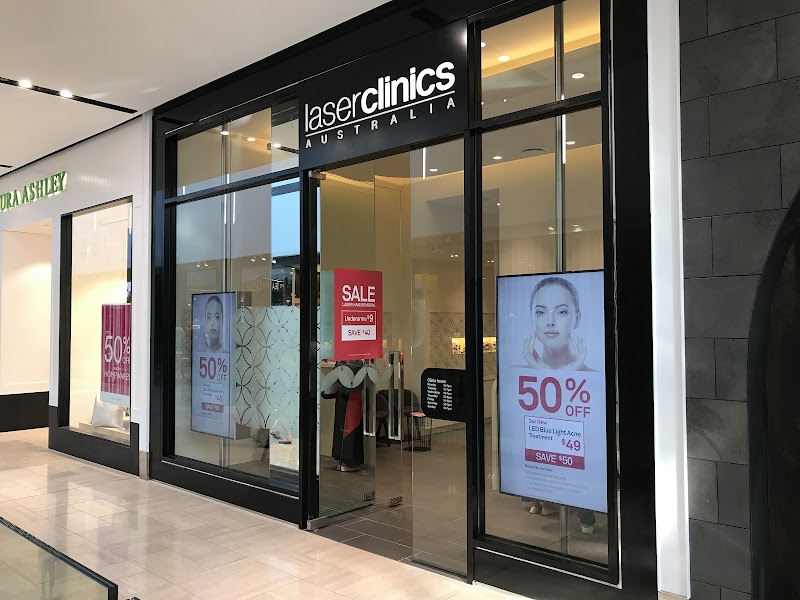
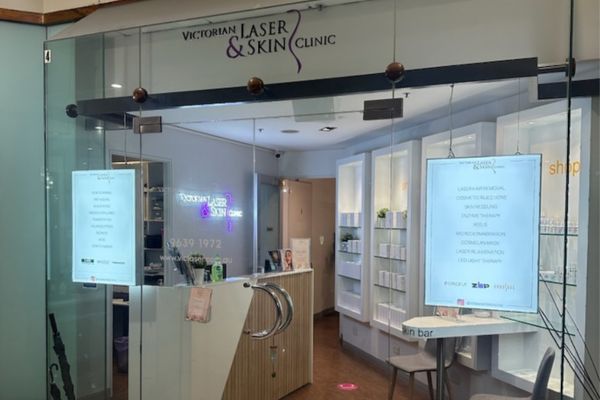
See clinics offering microdermabrasion→Clinics in Melbourne offering Microdermabrasion
View all clinics →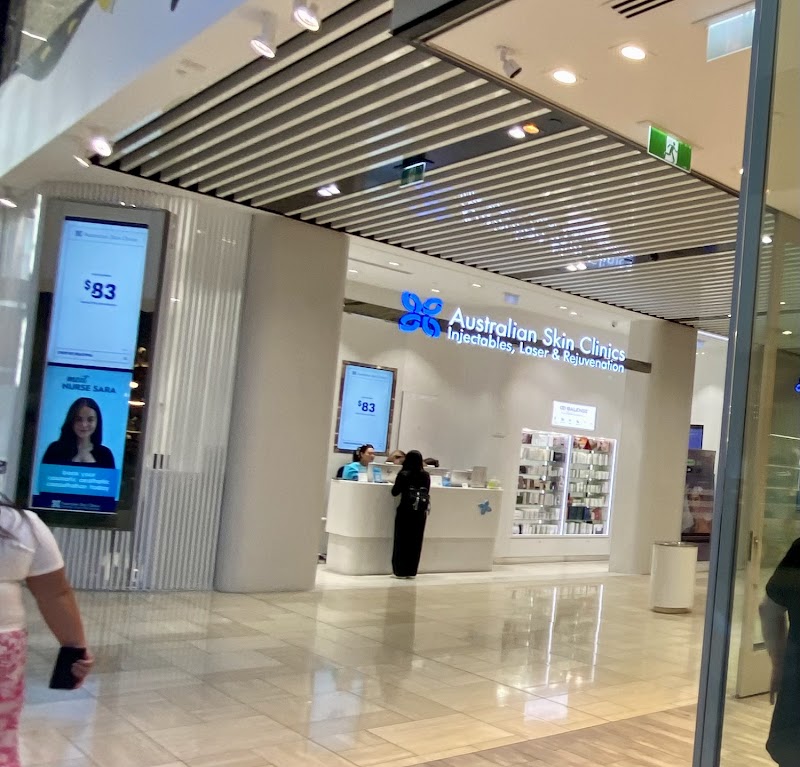
Related Guides
HydraFacial Melbourne
Thinking about a HydraFacial in Melbourne? Honest guide to price ($150–$350), what the machine actually does, who it suits, and how it compares to peels and microdermabrasion.
Chemical Peel Melbourne
Considering a chemical peel in Melbourne? Honest guide to price ($120–$600), real downtime by peel depth, who shouldn't have one, and how peels compare to laser.
LED Light Therapy Melbourne
LED light therapy in Melbourne explained. Price ($50–$180), what red and blue light actually do, how many sessions you need, and whether an at-home mask is enough.